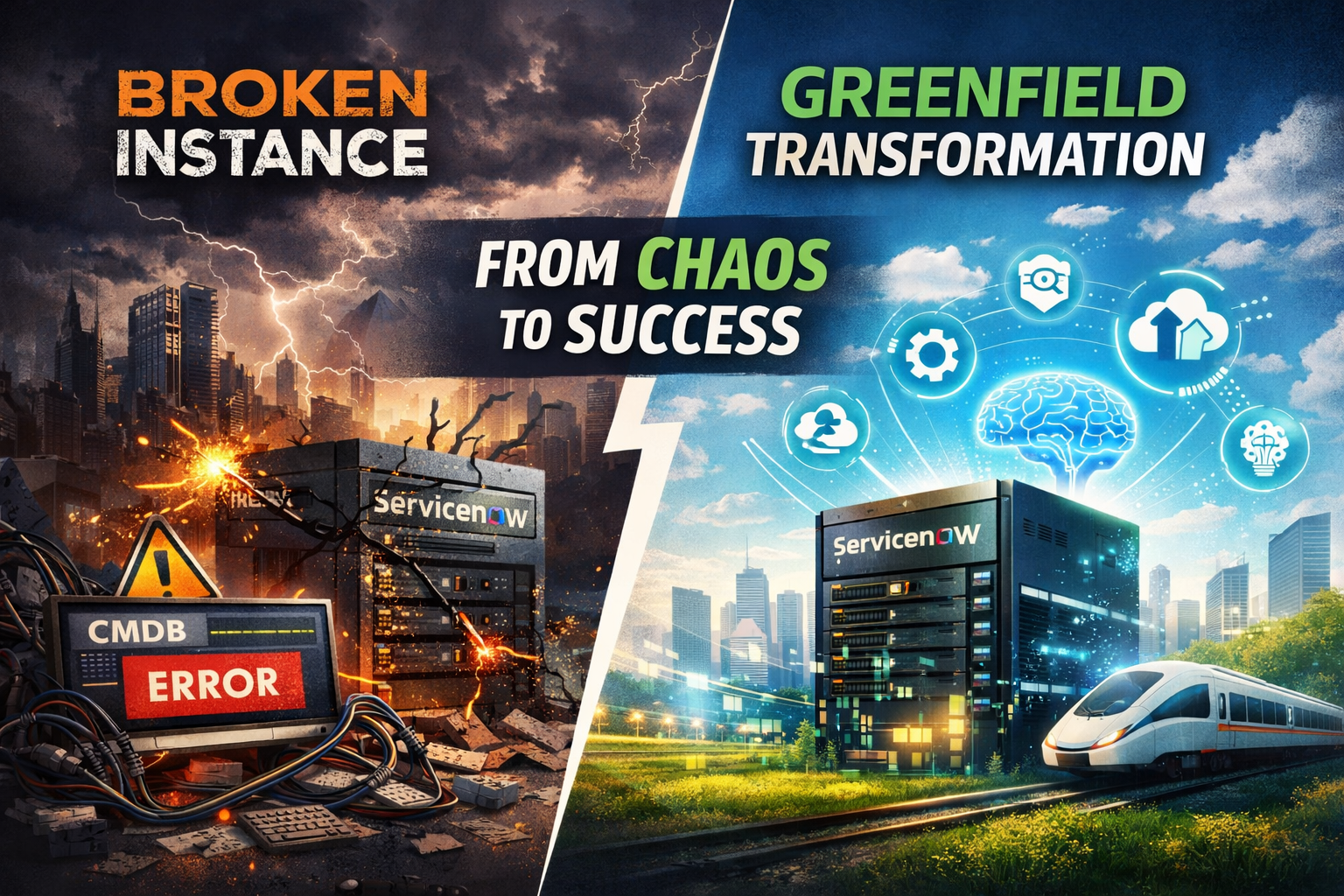
If upgrading your ServiceNow instance takes months instead of weeks, if you cannot implement new modules without breaking existing functionality, or if your CMDB confuses AI more than it helps it, you are not alone.
The good news: the platform itself is rarely the problem.
Out of the box, ServiceNow works well. Following the vendor roadmap is normally straightforward. The problems usually start when organizations gradually drift away from the platform standards.
At some point the question becomes unavoidable:
Do you repair the existing instance, or start again?
The Temptation: Repair What You Have
Reverting customizations in your current instance may seem attractive.
You avoid data migration.
You keep your integrations intact.
You can gradually transition back without major disruption.
This approach may work if deviations from the out-of-the-box model were limited.
But the uncomfortable truth is that a mildly customized instance rarely becomes completely broken. When upgrades become extremely difficult, when dependencies are everywhere, and when data quality has deteriorated, the platform has usually moved far beyond mild deviation.
At that point you are dealing with structural technical debt.
The Hard Option: Start Again
Sometimes the most rational decision is also the most painful one.
Take the loss.
Start from scratch.
Build the platform correctly this time.
Yes, this is expensive.
Yes, it is disruptive.
But within 9–12 months many organizations can move to a clean greenfield platform, free of accumulated technical debt and aligned with the current ServiceNow roadmap.
The alternative — gradually undoing years of customization while operations continue — often becomes a multi-year struggle that never fully succeeds.
Preventing History from Repeating Itself
A greenfield implementation must start with governance, not configuration.
Before building anything, organizations should define:
- A Product Vision
- Guiding Principles
- An Operating Model
- A Platform Roadmap
These should be formally approved by executive leadership and policy owners.
Typical principles include:
- Deploy ServiceNow out of the box wherever possible
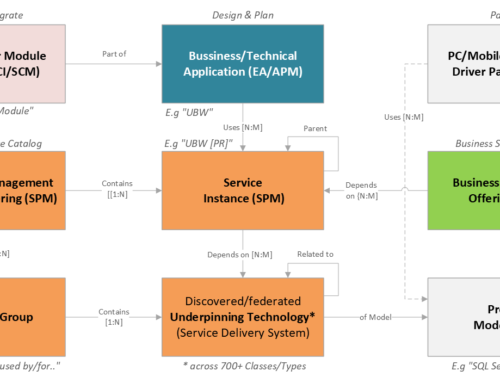
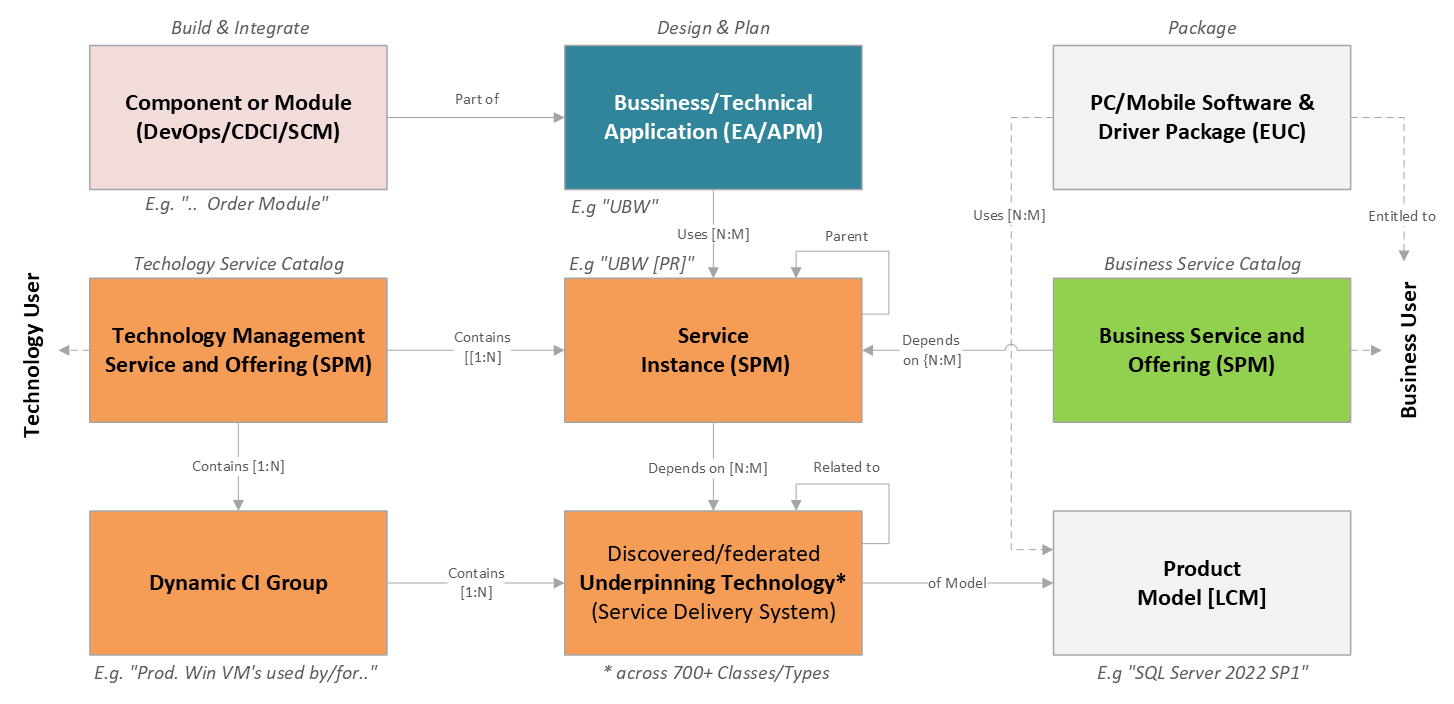
- Align with the Common Service Data Model (CSDM)
- Use modules only for their intended purpose
- Integrate with other enterprise tools according to enterprise architecture
- Ensure practices are operated by properly trained staff
- Continuously monitor process maturity and compliance
- Require formal approval for deviations
Without governance, the new platform will slowly drift into the same situation again.
The Human Side of a Greenfield
Greenfield programs are not purely technical.
Training new roles, implementing new practices, and managing organizational change are just as important as configuring the platform.
For many organizations it makes sense to bring in experienced implementation partners to execute the transformation while internal teams participate and prepare to operate the platform afterwards.
Start with Data and Structure
Once the direction is clear, the first step is usually foundation before functionality.
This typically includes:
- Establishing foundational data
- Defining the application and service portfolio
- Ensuring CSDM alignment
- Assigning accountable owners
- Implementing a zero-touch CMDB
- Cleaning knowledge data before using AI
These preparation activities alone may take four to twelve months in large organizations.
Parallel Implementation Streams
After the foundation is in place, implementations can often run in parallel streams such as:
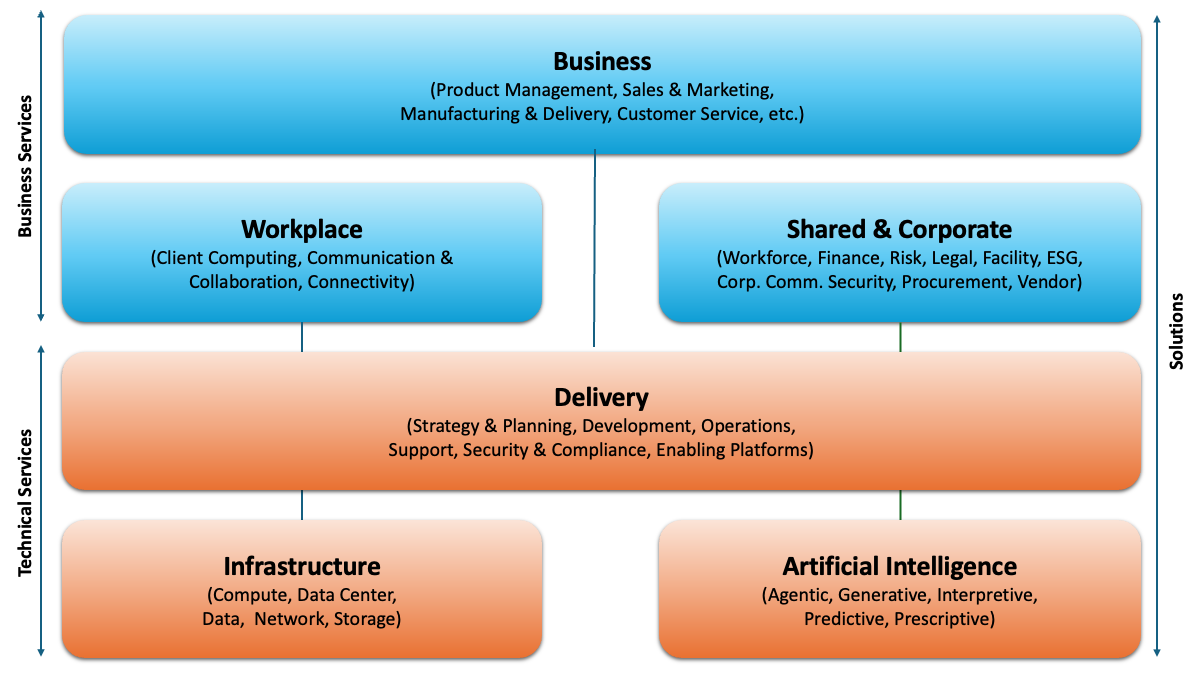
- IT / DevOps
- Customer Service Management
- Enterprise Service Management (HR, Workplace, Legal, Finance)
- Risk, Governance and Compliance
This reduces interdependencies and accelerates delivery.
Questioning Legacy Processes
A new platform is also an opportunity to rethink old habits.
For example:
If development teams operate in DevOps, root-cause analysis and bug fixes may be better handled in the engineering backlog rather than through traditional Problem Management workflows.
Similarly, CI/CD pipelines may need to be integrated directly into change processes.
A greenfield allows organizations to design workflows that reflect how they actually work today.
Avoid Rebuilding Yesterday’s Portal
One of the most common mistakes during greenfield programs is copying old catalog items and portal structures into the new platform.
Starting fresh creates the opportunity to implement a modern, AI-enabled service interface from day one.
Instead of reproducing yesterday’s portals, organizations can move toward a multi-modal, AI-assisted service layer.
The Elephant in the Room: Data Migration
Eventually the difficult question appears.
Do you migrate historical data into the new instance, or not?
And if you do, can you realistically cleanse the data during migration?
There is no universal answer, but organizations should approach this decision with clear eyes about the quality of their existing data.
Not Cheap. Not Fast. But Future-Proof.
The approach described here is neither quick nor inexpensive.
But it can remove years of accumulated technical debt in a single transformation and position the organization for a future in which AI is embedded in daily operations rather than a distant ambition.
In the end, every organization must determine its own path.
But when a platform becomes structurally difficult to maintain, the most pragmatic decision may simply be:
Start again — and build it right this time.
“`