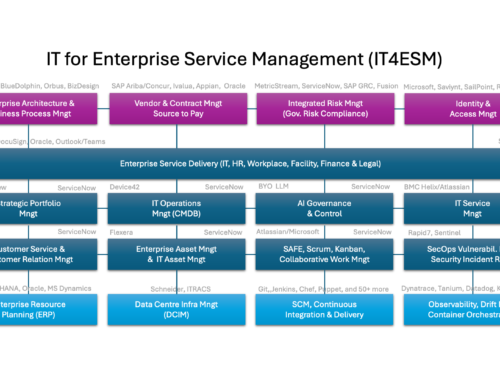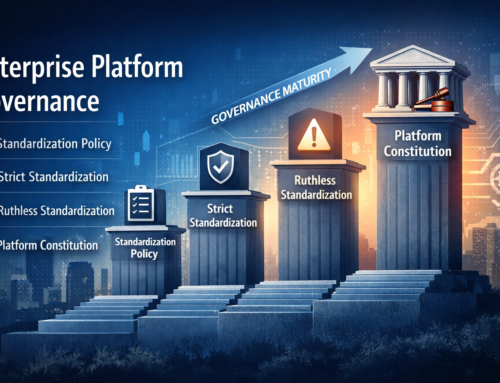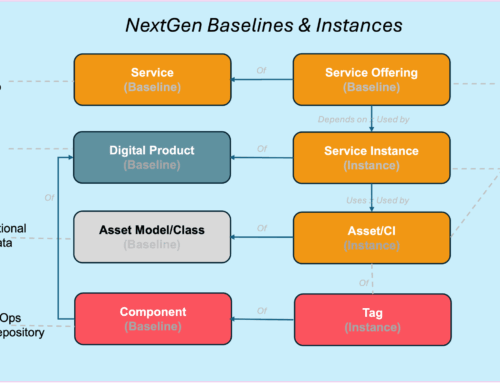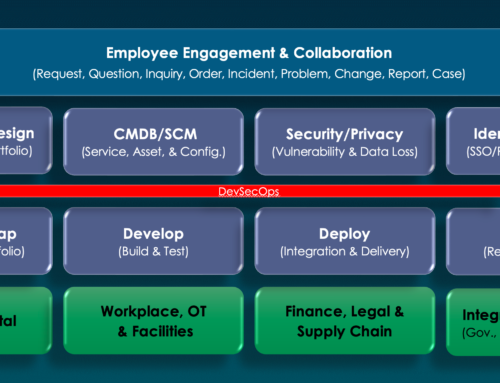
The debate about AI in the ServiceNow ecosystem is no longer limited to ticket automation. A structural shift is emerging:
from fragmented application portals to a single, agent-driven enterprise service layer.
That shift is not purely technical. Many vendors, departments, and product teams currently earn their living by
owning and customizing their own front end — their own portals, their own UX, their own workflows.
Consolidating those front ends into a single enterprise-wide ServiceNow layer implies technical integration,
but also political and economic redistribution.
This is not a configuration exercise. It is organization-wide change management.
From Workflow Engine to AI-Driven Service Layer
Traditionally, ServiceNow has been positioned as:
- An ITSM or CSM platform
- A workflow engine
- A system of record
- A process automation tool
With the rise of generative AI, the center of gravity shifts. ServiceNow increasingly moves toward becoming
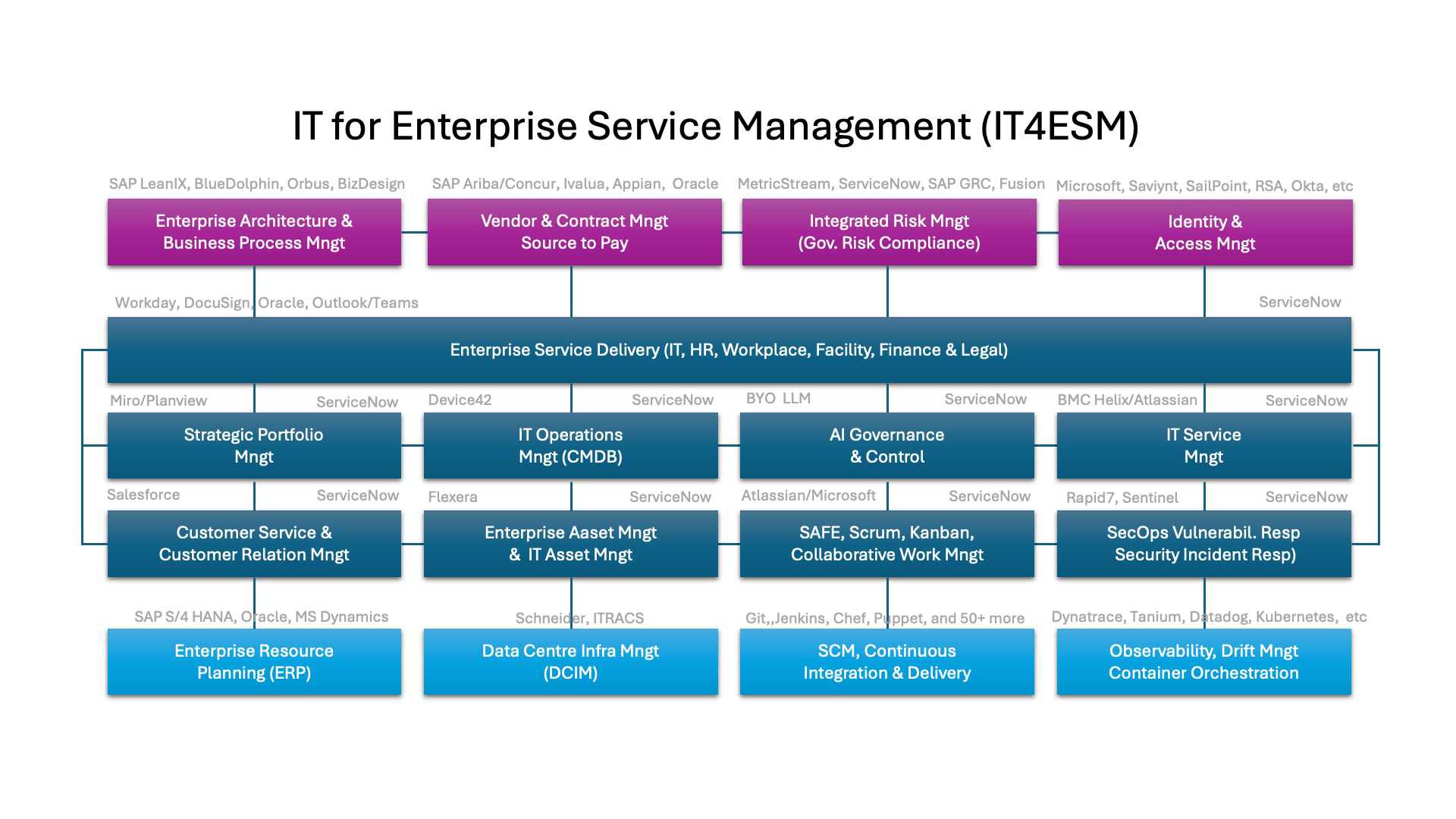
a generic, intelligent front end that interacts through AI agents with multiple back-office systems:
ERP, HR platforms, finance applications, legacy environments, and custom solutions.
Users no longer need to know where a transaction is processed. The agent orchestrates the flow.
What Does a “Generic Front End” Mean?
In practical terms, it means:
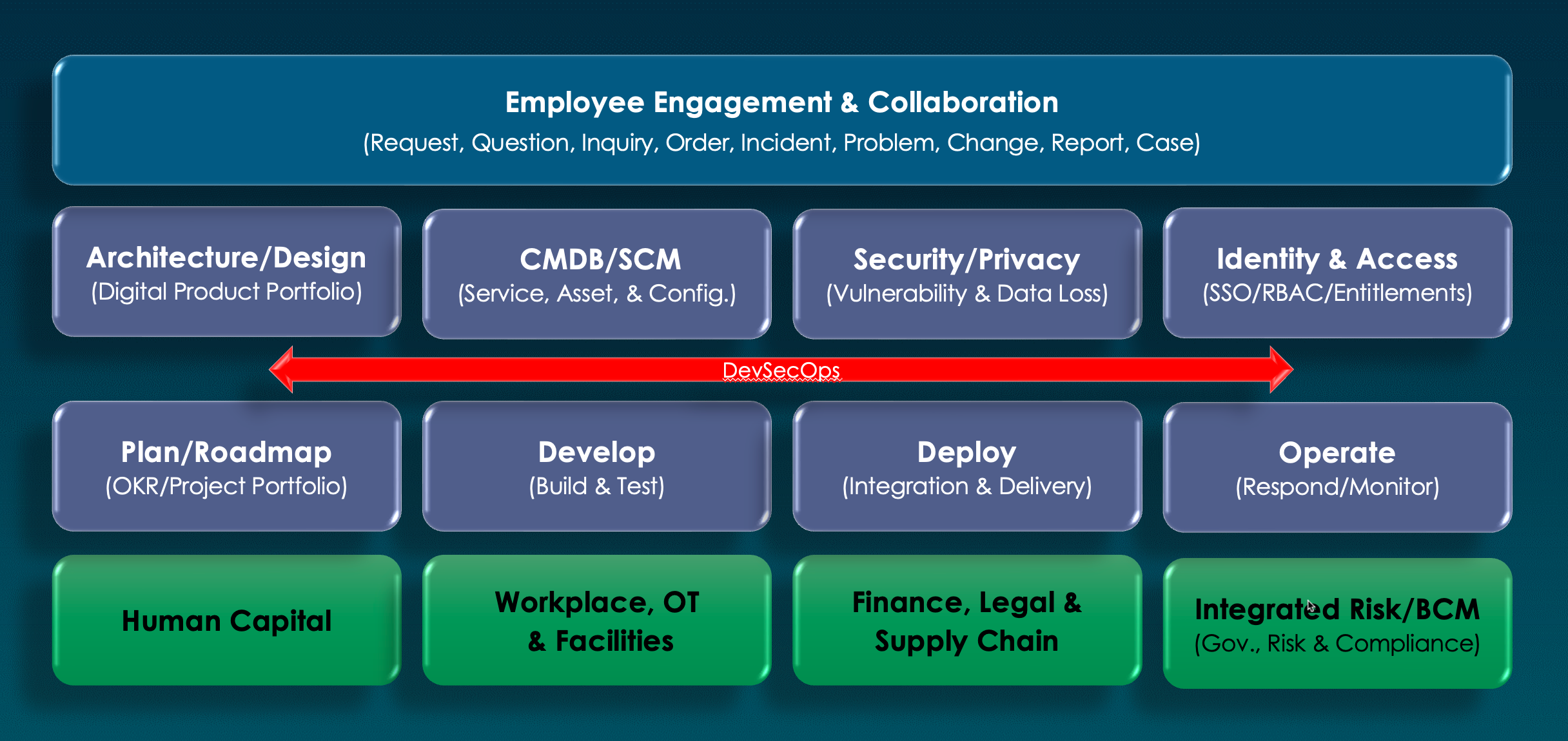
- One conversational entry point
- AI recognizing intent in natural language
- Agents executing tasks across back offices
- Integrations handling transactions in source systems
- Automatic context summaries and recommendations
The traditional portal-and-form paradigm is gradually giving way to interaction-driven services.
The front end becomes smarter; the back end becomes abstracted. ServiceNow evolves from being “a tool.”
to function as an enterprise orchestration layer.
Implications for ESM and CSM Practices
1. Less Emphasis on Forms and Catalog Items
Service catalogs remain relevant, but conversational interfaces increasingly become the primary entry point.
Interaction replaces static form navigation.
2. Greater Focus on Integration Architecture
When agents trigger actions in multiple back offices, integration maturity becomes critical:
- API readiness
- Security and identity management
- Data consistency
- Error handling and transaction integrity
3. Orchestration Over Registration
The value proposition shifts from “record everything in one system” to “orchestrate end-to-end services.”
Recording remains necessary, but it is no longer the primary objective.
4. Data as the Foundation
AI agents depend on:
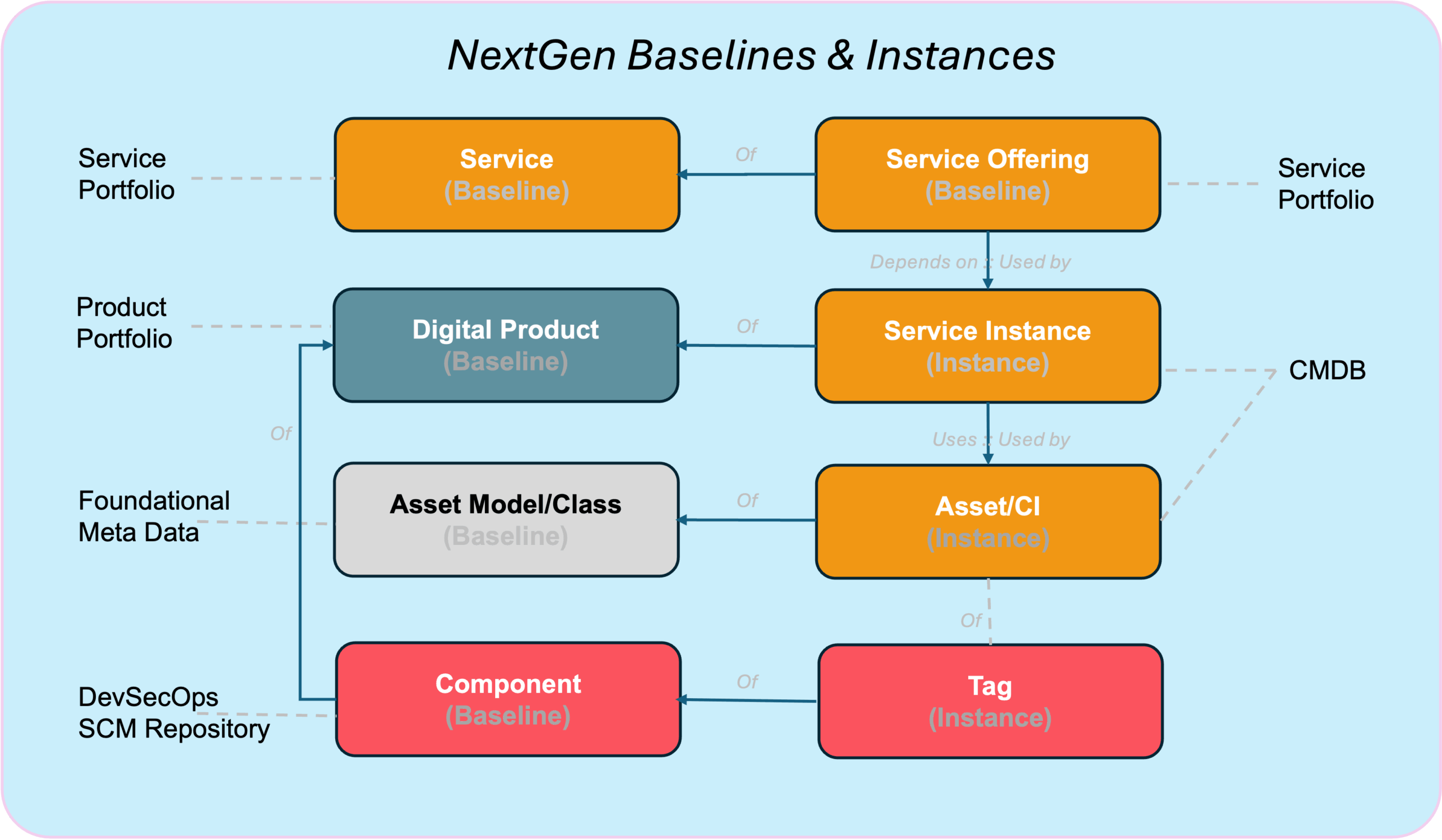
- Accurate service relationships
- A reliable CMDB
- Clear ownership structures
- Well-defined access policies
Weak service architecture becomes immediately visible in an AI-driven model.
Data quality and structural maturity are no longer optional.
The Political Complexity of Consolidation
Ownership
Every front-end has an owner. Consolidation implies a shift in control over user experience and service entry points.
Budgets
Front-end platforms represent licenses, projects, and staffing. Reducing parallel portals affects financial interests.
Team Identity
Teams often identify with “their” system. A generic service layer can feel like a loss of autonomy.
Uneven Maturity
Not all back offices are API-ready or process-mature. Some environments are not yet agent-driven.
Consolidation, therefore, requires persuasion, negotiation, and phased execution. It cannot be forced purely by technical design.
The Changing Role of the ServiceNow Professional
For implementation partners and practice leads, the role shifts fundamentally:
- Less module specialization, more enterprise architecture
- Less configuration, more operating model design
- Less technical isolation, more cross-domain coordination
The ServiceNow expert must:
- Demonstrate the value of consolidation
- Ensure domain-specific requirements remain respected
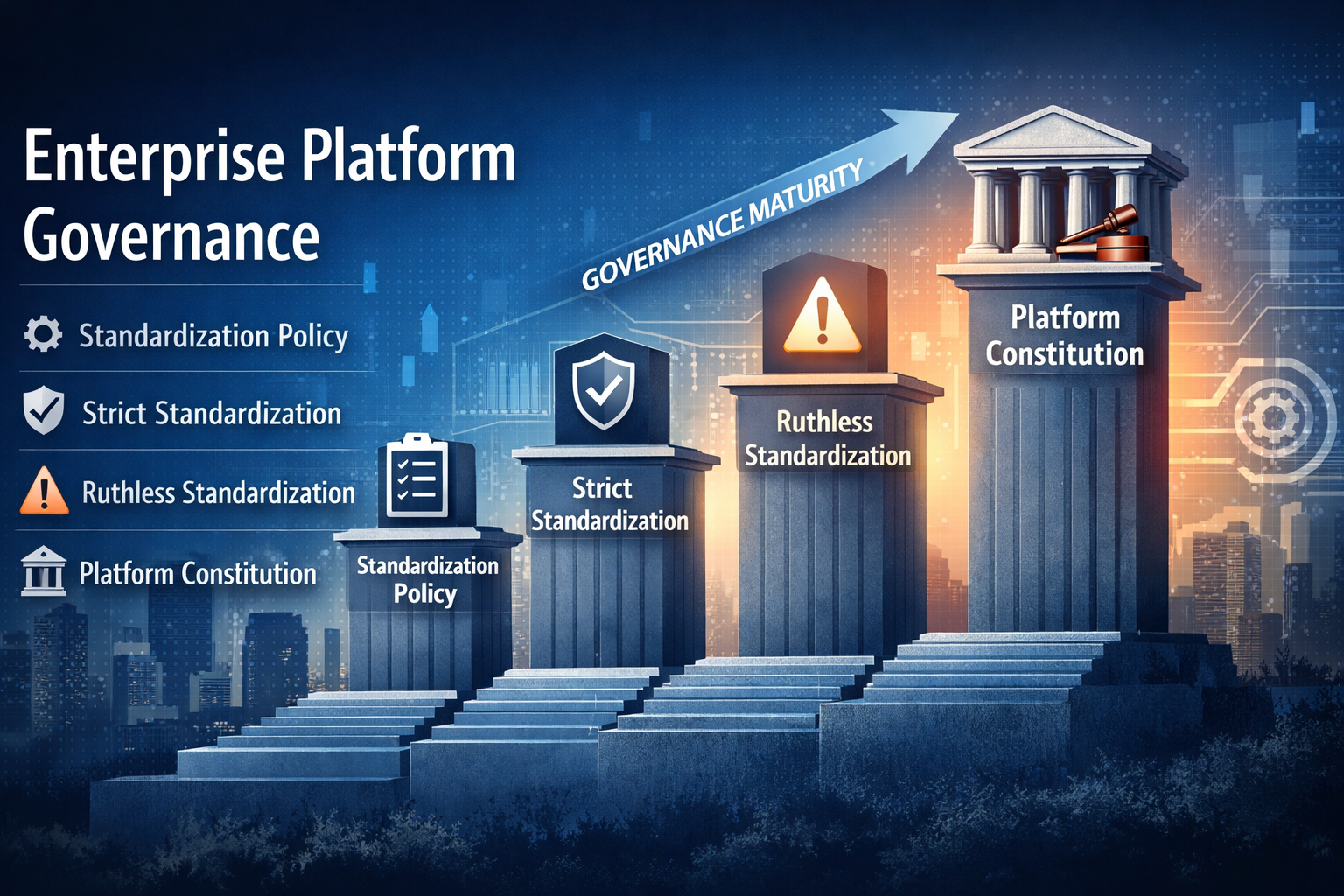
- Design governance and compliance safeguards
- Align AI capabilities with enterprise architecture
Technical skill alone is no longer sufficient. Political awareness and strategic communication become essential.
Risks and Opportunities
Roles centered primarily on custom UI development or localized portals may face pressure.
AI lowers the need for multiple fragmented entry points.
At the same time, opportunities expand for professionals specializing in:
- Enterprise service design
- Integration and API strategy
- CMDB and data governance
- AI governance and compliance design
- End-to-end orchestration architecture
AI makes the front end smarter. But without a mature back end, it fails.
Those who master the foundation increase their strategic relevance.
What to Expect
In the coming years, AI will likely accelerate:
- Standardization of self-service
- Reduction of redundant portals
- Centralization of service interaction
- API-driven modernization of back offices
The pace of this transformation depends less on technology and more on leadership, governance and organizational readiness.
The real question is not whether a generic ServiceNow front end is technically feasible.
It largely is. The question is whether organizations are willing to let go of fragmented ownership and
redesign their service landscape accordingly.
AI accelerates the shift toward a single intelligent service layer. For ServiceNow professionals,
This means moving beyond configuration into architecture, persuasion, and enterprise design.
The complexity is real — and so is the opportunity.
Sources
- ServiceNow – Public documentation on AI and agent capabilities
- World Economic Forum – Future of Jobs Report
- International Monetary Fund – Gen-AI and the Future of Work